
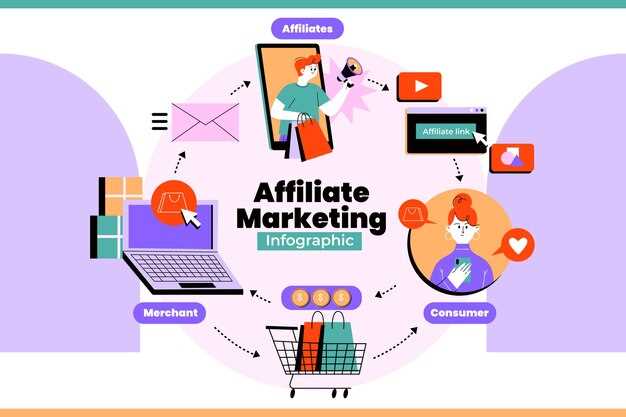
Focus on creating high-quality content that resonates with your target audience. Research shows that 70% of consumers prefer to learn about products through articles rather than advertisements. Craft informative, engaging pieces that address specific pain points and provide solutions, ensuring your audience finds value in what you offer.
Utilize data analytics to track user behavior and preferences. Implement tools like Google Analytics to gain insights into traffic sources, user demographics, and engagement metrics. This information allows for tailored campaigns that speak directly to your audience’s interests, increasing conversion rates significantly.
Leverage social media platforms to amplify your reach. Platforms such as Instagram and Facebook can be powerful allies in promoting your content. Create shareable posts and engage with your audience through comments and direct messages, fostering a community around your brand.
Establish partnerships with influencers who align with your brand values. Collaborating with individuals who have a dedicated following can enhance credibility and expand your audience. Ensure that the influencers you choose genuinely connect with your product to maintain authenticity.
Implement a robust email outreach strategy. Segment your email list based on user behavior and preferences to deliver personalized content. Studies indicate that personalized emails can lead to a 26% increase in open rates, driving more traffic to your site.
Identifying Key Performance Indicators for Online Promotion
Focus on metrics that directly reflect your objectives. For instance, if your goal is to increase brand awareness, track impressions and reach. If conversions are your priority, monitor click-through rates (CTR) and conversion rates. Establish a baseline for each KPI to measure progress effectively.
Common KPIs to Monitor
| KPI | Description | Formula |
|---|---|---|
| Click-Through Rate (CTR) | Percentage of users who click on a link compared to total users who view the content. | (Clicks / Impressions) x 100 |
| Conversion Rate | Percentage of users who complete a desired action after clicking through. | (Conversions / Total Visitors) x 100 |
| Return on Investment (ROI) | Measure of profitability relative to the cost of the campaign. | ((Revenue – Cost) / Cost) x 100 |
Regularly review these indicators to adjust tactics. Use tools like Google Analytics for real-time data. Set specific targets for each KPI to ensure accountability and drive performance improvements. This approach allows for agile responses to market changes and enhances overall campaign success.
Choosing the Right Affiliate Programs for Your Niche
Identify programs that align closely with your audience’s interests. Research products or services that resonate with your niche, ensuring they provide value and relevance. For instance, if your focus is on fitness, consider partnerships with brands offering workout gear, supplements, or online training courses. This alignment increases the likelihood of conversions, as your recommendations will feel authentic and trustworthy.
Evaluate commission structures and payment terms. Look for programs that offer competitive rates, whether through a flat fee or a percentage of sales. Some platforms provide recurring commissions for subscription-based services, which can lead to a steady income stream. Analyze the potential earnings against the effort required to promote these products, ensuring a favorable return on investment.
Examine the reputation of the brands you consider. Partnering with well-established companies can enhance your credibility. Read reviews, check their customer service responsiveness, and assess their marketing materials. A reputable brand will provide you with high-quality resources, making it easier to promote their offerings effectively.
Lastly, test different programs to find the best fit. Start with a few options and monitor performance metrics such as click-through rates and conversion rates. This data will help you refine your approach, allowing you to focus on the most profitable partnerships. Adjust your strategy based on what resonates with your audience, ensuring long-term success in your promotional efforts.
Leveraging Social Media for Enhanced Brand Visibility
Utilize targeted advertising on platforms like Facebook and Instagram to reach specific demographics. By defining your audience based on interests, behaviors, and location, you can maximize engagement and conversion rates. For instance, a recent study showed that businesses using targeted ads saw a 30% increase in click-through rates compared to non-targeted campaigns.
Engage with your audience through interactive content such as polls, quizzes, and live Q&A sessions. This not only boosts engagement but also fosters a sense of community around your brand. Brands that actively interact with their followers report higher loyalty and retention rates, with some seeing a 50% increase in repeat customers.
Leverage user-generated content by encouraging customers to share their experiences with your products. Create a unique hashtag and promote it across your channels. This approach not only enhances authenticity but also provides social proof, which can significantly influence potential buyers. Brands that showcase user content often experience a 20% increase in brand trust.
Collaborate with influencers who align with your brand values. Micro-influencers, in particular, can offer a higher engagement rate compared to larger accounts. Research indicates that partnerships with influencers can yield a return on investment of up to 11 times, making it a cost-effective strategy for increasing visibility.
Regularly analyze your social media metrics to refine your approach. Tools like Google Analytics and platform-specific insights can provide valuable data on what content resonates with your audience. Adjust your strategy based on these insights to ensure continuous improvement and relevance in your messaging.
Maintain a consistent posting schedule to keep your audience engaged. Tools like Buffer or Hootsuite can help automate this process, ensuring that your content reaches followers at optimal times. Consistency not only builds brand recognition but also keeps your audience informed and engaged, leading to higher visibility across platforms.
Creating Compelling Content that Drives Conversions
Focus on storytelling to engage your audience. Craft narratives that resonate with their experiences and emotions. Use real-life examples and case studies to illustrate your points. This approach not only captures attention but also builds trust, making readers more likely to take action. Incorporate data and statistics to support your claims, as this adds credibility and encourages decision-making.
Optimize for Search Engines
Incorporate relevant keywords naturally throughout your content. Use tools like Google Keyword Planner to identify terms your target audience is searching for. Aim for a keyword density of around 1-2% to avoid keyword stuffing. Additionally, structure your content with headings and subheadings to enhance readability and improve SEO performance. This helps search engines understand your content better, increasing visibility.
Call to Action (CTA)
- Place clear and compelling CTAs at strategic points within your content.
- Use action-oriented language that creates a sense of urgency, such as “Get started today!” or “Claim your offer now!”
- Test different CTA placements and wording to determine what resonates best with your audience.
Regularly analyze conversion rates to refine your approach. A/B testing can reveal which elements drive the most engagement, allowing for continuous improvement in your content strategy.
Utilizing SEO Techniques to Boost Organic Traffic
Focus on keyword research to identify terms that your target audience frequently searches. Use tools like Google Keyword Planner or Ahrefs to find relevant keywords with high search volume and low competition. Incorporate these keywords naturally into your content, titles, and meta descriptions to enhance visibility.
Optimize on-page elements such as headers, images, and internal links. Ensure that each page has a unique title tag and meta description that includes primary keywords. Use header tags (H1, H2, H3) to structure content logically, making it easier for search engines to crawl and index your site.
Content quality is paramount. Create informative, engaging, and original articles that address user intent. Aim for longer content, as studies show that articles with over 1,500 words tend to rank higher. Regularly update existing content to keep it relevant and accurate, which can improve rankings over time.
Enhance site speed and mobile responsiveness. Google prioritizes fast-loading websites, so utilize tools like Google PageSpeed Insights to analyze and improve your site’s performance. Ensure your site is mobile-friendly, as a significant portion of users access content via smartphones.
Build a robust backlink profile. Reach out to industry influencers and bloggers for guest posting opportunities. Quality backlinks from reputable sites signal to search engines that your content is trustworthy, which can significantly boost your rankings.
Monitor your analytics to track performance. Use Google Analytics and Search Console to assess traffic sources, user behavior, and keyword rankings. Adjust your strategies based on data insights to continually refine your approach and maximize organic reach.
Analyzing Competitor Strategies in Affiliate Marketing
Identify key players in your niche and conduct a thorough analysis of their promotional techniques. Utilize tools like SEMrush or Ahrefs to examine their backlink profiles, revealing which websites link to their content. This insight can guide you in establishing partnerships with similar sites or identifying gaps in their approach that you can exploit. Pay attention to their content types, such as blogs, videos, or social media posts, and assess which formats generate the most engagement.
Monitoring Performance Metrics
Regularly track competitors’ performance metrics, including traffic sources and conversion rates. Tools like SimilarWeb can provide estimates of their website traffic and audience demographics. Analyze their call-to-action placements and landing page designs to determine what resonates with their audience. By understanding these elements, you can refine your own tactics, ensuring your campaigns are not only competitive but also tailored to meet the specific needs of your target audience.
Measuring ROI in Online and Partner Promotion Campaigns
To accurately assess return on investment (ROI) in online and partner promotion efforts, establish clear objectives and key performance indicators (KPIs) from the outset. Focus on metrics such as conversion rates, customer acquisition costs, and average order value to gauge success effectively.
Calculate ROI
Use the formula: ROI = (Net Profit / Cost of Investment) x 100. For instance, if a campaign generates $10,000 in revenue with $2,000 in costs, the ROI would be 400%. This straightforward calculation provides a clear picture of financial performance.
Track Performance Metrics
- Click-Through Rate (CTR): Monitor how many users click on your links compared to the total number of impressions.
- Conversion Rate: Measure the percentage of visitors who complete a desired action, such as making a purchase.
- Customer Lifetime Value (CLV): Estimate the total revenue a customer will generate during their relationship with your brand.
Utilize tracking tools like Google Analytics or affiliate dashboards to gather data on these metrics. Regularly review this information to identify trends and areas for improvement.
Segment your audience to understand which demographics yield the highest ROI. Tailor your campaigns to target these groups more effectively, optimizing resource allocation.
Consider the attribution model used to assign credit for conversions. Whether you choose first-click, last-click, or multi-touch attribution, ensure it aligns with your goals and provides a fair assessment of each channel’s contribution.
Finally, conduct A/B testing to refine your approach. Experiment with different creatives, messaging, and offers to determine what resonates best with your audience, ultimately enhancing ROI over time.